
GHK-Cu Copper Peptide | Research Findings on Skin & Tissue Regeneration
Among copper-based peptides studied in regenerative biology, GHK-Cu stands out as one of the most extensively referenced in scientific literature. First identified decades ago, this naturally occurring copper-binding peptide has since become a central subject in laboratory research exploring tissue remodeling, wound healing, and skin biology at the cellular level.
This article takes a closer look at what GHK-Cu is, how researchers believe it functions, and what current studies have found — strictly within the context of laboratory and scientific research.
What Is GHK-Cu?
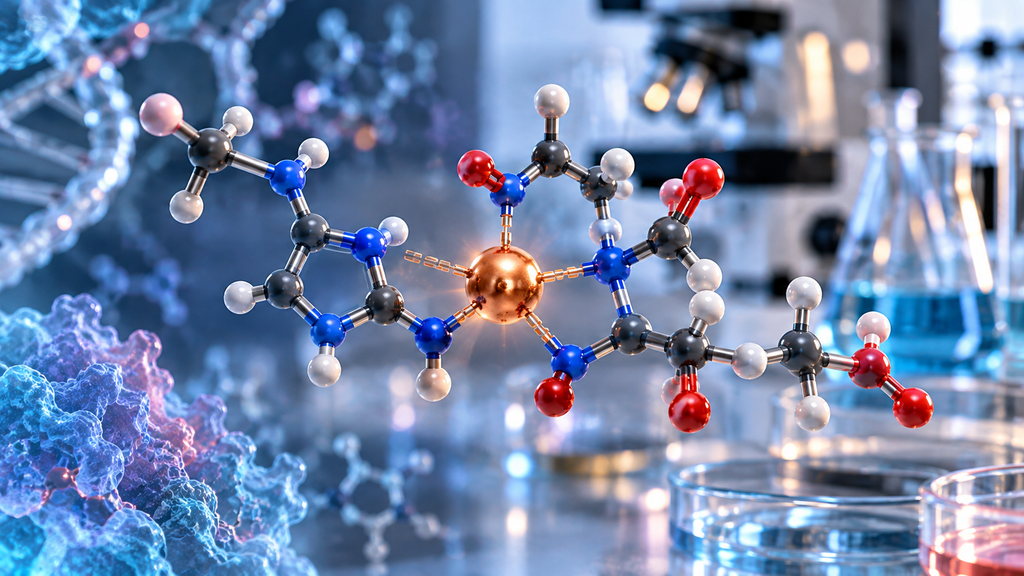
GHK-Cu is a naturally occurring tripeptide — a chain of just three amino acids (glycine-histidine-lysine) — bound to a copper ion. It was originally identified in human plasma in the 1970s, where researchers noted that its concentration appeared to decline with age. This observation became a starting point for decades of subsequent research into the peptide’s biological role.
What makes GHK-Cu particularly interesting from a research standpoint is its copper-binding capability. Copper is an essential trace element involved in numerous enzymatic processes in the body, including those related to connective tissue formation and antioxidant defense. By binding copper in a stable, bioavailable form, GHK-Cu has become a useful tool for researchers studying copper-dependent biological pathways.
As with all compounds discussed on this site, GHK-Cu referenced here is intended strictly for laboratory and scientific research purposes — not for human or veterinary use, and not as a cosmetic or therapeutic product.
Why Is GHK-Cu Such a Widely Studied Compound?
Several factors have contributed to GHK-Cu’s prominence in peptide research literature:
1. Naturally occurring origin. Unlike many synthetic research peptides, GHK-Cu exists naturally in the human body, which has made it a subject of interest for researchers studying endogenous regulatory systems rather than purely synthetic interventions.
2. Age-related decline pattern. Early research noting that GHK-Cu levels decrease with age sparked significant scientific curiosity about its potential role in tissue maintenance and repair processes — a connection that has driven a substantial portion of subsequent research.
3. Broad gene expression effects. Laboratory studies using gene expression analysis have reported that GHK-Cu appears to influence a notably large number of genes related to tissue remodeling, which has made it a frequent subject of systems-biology research.
4. Copper delivery mechanism. Because copper plays a role in several enzymatic processes tied to collagen and elastin synthesis, GHK-Cu’s ability to chelate and deliver copper in a stable form has made it valuable for studying copper-dependent pathways in connective tissue research.
Proposed Mechanisms of Action
Research into GHK-Cu has proposed several interconnected mechanisms to explain its observed effects in laboratory studies:
Copper-dependent enzyme activation. Copper serves as a cofactor for several enzymes involved in connective tissue synthesis, including lysyl oxidase, which plays a role in collagen and elastin cross-linking. Researchers have proposed that GHK-Cu’s copper-delivery function may support these enzymatic processes in tissue models.
Gene expression modulation. Some of the most frequently cited research on GHK-Cu involves large-scale gene expression studies, which have reported that the peptide appears to influence the expression of genes associated with tissue remodeling, including those related to collagen production, antioxidant enzymes, and anti-inflammatory pathways.
Antioxidant activity. Laboratory studies have also examined GHK-Cu’s potential role in modulating oxidative stress markers in tissue samples, with some research proposing that the compound may support antioxidant enzyme activity at the cellular level.
Extracellular matrix remodeling. A number of studies have focused on GHK-Cu’s relationship with the extracellular matrix — the structural network surrounding cells — proposing that it may influence processes related to matrix turnover and repair in tissue models.
These mechanisms remain subjects of active scientific investigation, and researchers continue to explore how they interconnect across different tissue types and experimental conditions.
What the Research Shows: Key Areas of Study
GHK-Cu research spans several distinct scientific domains. Here’s a breakdown of where the current literature has focused.
Skin and Dermal Tissue Research
A substantial portion of GHK-Cu research has centered on skin tissue models, given the peptide’s proposed connection to collagen synthesis and tissue remodeling. Laboratory studies using skin cell cultures and tissue samples have examined markers related to collagen production, elastin synthesis, and overall tissue structure. This line of research has made GHK-Cu one of the most frequently referenced copper peptides in dermatological and cosmetic science literature — though it’s worth noting that findings from these studies remain within the realm of laboratory research rather than established clinical treatment protocols.
Wound Healing Models
Several studies have examined GHK-Cu’s behavior in wound healing models, looking at markers associated with tissue repair timelines, inflammatory response, and new tissue formation. Research in this area has generally focused on understanding the cellular processes involved in tissue repair rather than establishing therapeutic applications.
Antioxidant and Anti-Inflammatory Research
Given copper’s role in antioxidant enzyme systems, researchers have also studied GHK-Cu in the context of oxidative stress models. Some laboratory findings have reported changes in markers associated with inflammatory signaling and oxidative damage, contributing to broader scientific interest in copper peptides as tools for studying cellular stress responses.
Gene Expression and Systems Biology Studies
Some of the most cited GHK-Cu research comes from large-scale gene expression analyses, which have reported associations between the peptide and a wide range of genes involved in tissue remodeling, inflammation regulation, and antioxidant defense. These studies have positioned GHK-Cu as a notable subject within systems biology research, where scientists study how single compounds can influence broad networks of gene activity.
Hair Follicle Research
A smaller but notable body of research has explored GHK-Cu’s relationship with hair follicle biology, examining markers associated with follicle structure and growth cycles in laboratory models. This remains a more limited area of study compared to skin and wound healing research.
Understanding the Limitations of Current GHK-Cu Research
As with any actively developing area of peptide science, it’s important to approach GHK-Cu literature with a clear understanding of its current boundaries:
Variation across study models. Much of the available research has been conducted using cell cultures, tissue samples, or animal models, and findings from these settings don’t necessarily translate directly to more complex biological systems.
Associational gene expression data. While gene expression studies have reported associations between GHK-Cu and various genetic pathways, association doesn’t necessarily establish direct causation, and further mechanistic research is often needed to clarify these relationships.
No regulatory approval for therapeutic use. GHK-Cu has not been evaluated or approved by regulatory agencies for use as a drug or therapeutic agent. It remains classified strictly as a research compound.
Ongoing mechanistic research. While several mechanisms have been proposed — from enzyme activation to gene expression modulation — the complete picture of how GHK-Cu produces its observed effects is still being actively studied and refined.
These limitations reflect the normal trajectory of scientific research rather than a shortcoming specific to GHK-Cu. Continued, well-designed studies are what allow the field to build a more complete understanding over time.
Why Compound Quality Matters in GHK-Cu Research
For researchers working with GHK-Cu, the purity and stability of the compound used can significantly influence experimental outcomes. Copper peptides in particular can be sensitive to degradation if not properly manufactured, stored, or handled, which makes sourcing an important consideration for anyone conducting laboratory work with this compound.
Key factors to evaluate when sourcing GHK-Cu for research purposes include:
- Verified purity testing, typically confirmed through HPLC analysis
- Third-party Certificates of Analysis (COA), providing independent verification of compound identity and concentration
- Proper storage guidance, since peptide stability can be affected by temperature and light exposure over time
- Transparent “research use only” labeling, consistent with the compound’s intended legal and scientific use
Using well-documented, high-purity GHK-Cu is essential for producing reliable, reproducible data — a foundational requirement for any meaningful laboratory research.
Final Thoughts
GHK-Cu remains one of the most well-studied copper peptides in current scientific literature, with research spanning skin biology, wound healing, antioxidant pathways, and large-scale gene expression analysis. Its natural origin and broad proposed effects on tissue remodeling have made it a compound of significant and sustained interest across multiple research disciplines.
At the same time, the current body of evidence is still developing. Many of the underlying mechanisms remain under active investigation, and GHK-Cu has not been approved for therapeutic or cosmetic use by regulatory authorities. As with all peptide research, continued progress depends on rigorous, well-documented studies conducted using high-purity, properly sourced research compounds.